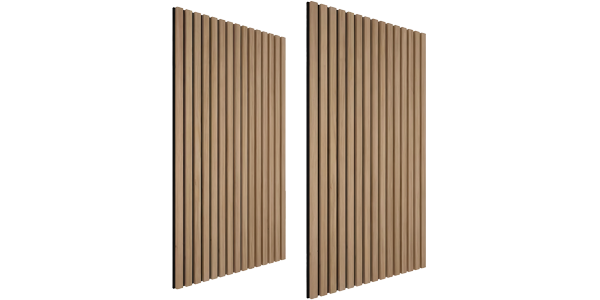
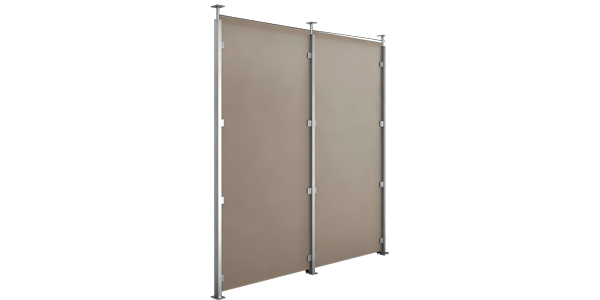
| Category | Wall Panels | Partition Walls |
|---|---|---|
 |
 |
|
| Material | Wood, plywood, MDF, composite materials | Gypsum board, glass, lightweight metal frames |
| Function | Load-bearing, supports floors/roofs, contributes to building stability. | Non-load-bearing, mainly divides spaces. |
| Installation | Requires planning and specialized skills | Easier to install; suitable for quick or temporary layouts. |
| Acoustic Performance | Superior sound insulation; ideal for privacy or quiet spaces. | Limited soundproofing; generally less effective. |
| Thermal Insulation | Excellent thermal insulation; helps maintain comfortable indoor temperature. | Lower thermal efficiency; can add insulation but generally less effective. |
| Aesthetic Flexibility | Wide range of textures, finishes, and colors; can transform space ambiance. | Limited style options; focus on functionality rather than design. |
| Cost | Generally higher due to materials and installation complexity. | Generally lower; lighter materials and simpler installation. |
| Best Use | Structural support, long-term installations, spaces requiring insulation and aesthetics. | Temporary or flexible layouts, quick renovations, non-structural divisions. |
Understanding the differences between wall panels and partition walls is crucial for spatial design. Wall panels provide load-bearing strength, superior sound and thermal insulation, and versatile design options, making them a key element for both functionality and aesthetics.
Share your product type, application, quantity, and target market. Our team will follow up with suitable options.